

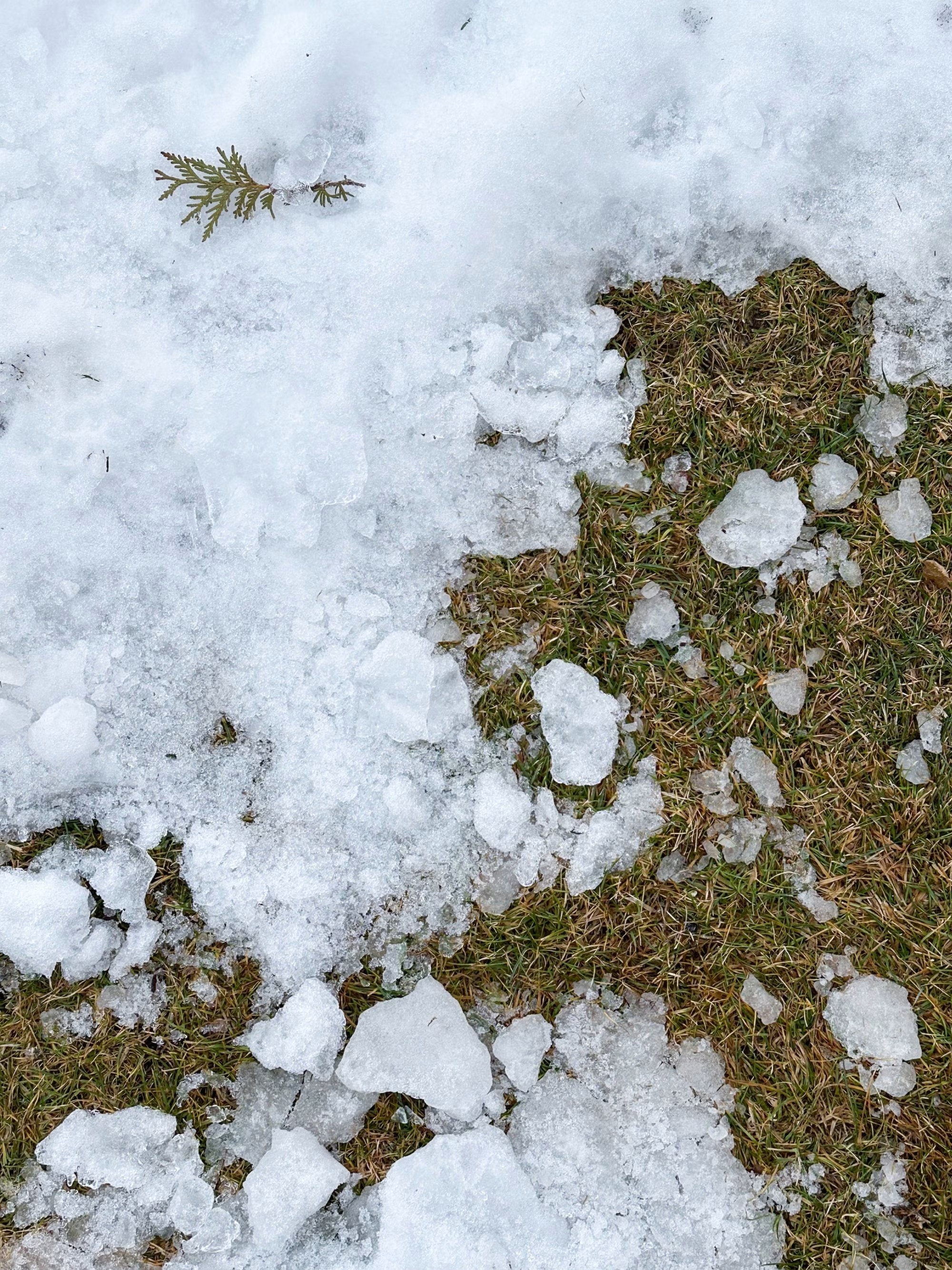
Getting Greenvale Gardens Ready for Winter
Posted at Wed, Dec 16, 2026 1:00 PM
THE SHORT ANSWER
Preparing your Greenvale garden for winter requires clearing dead plant material, insulating perennial roots with fresh mulch, and draining all outdoor water lines before freezing temperatures set in. Taking these basic steps in late autumn shields delicate plant tissues from frost and prevents costly damage to seasonal outdoor equipment.
As autumn winds blow through Nassau County, home gardens in Greenvale require thoughtful attention before the ground freezes solid. Preparing your soil, beds, and watering systems now guarantees a vibrant bloom when spring returns to Long Island. Krishna Nissan brings you this local checklist to help protect your landscaping through the coldest months of the year.
IN THIS POST
Understanding Greenvale's First Frost and Soil Dynamics
Autumn in Nassau County brings a steady decline in temperatures, making timing crucial for yard preparation. Gardeners in our area usually experience the first frost date—the nighttime when temperatures drop to 32 degrees Fahrenheit—around mid-November. Watching local forecasts allows you to complete heavy earthwork before the ground freezes solid.
Cold weather alters soil composition by locking up moisture and slowing root activity. A hard freeze occurs when temperatures fall below 28 degrees for several consecutive hours, penetrating deep into the topsoil. Completing your prep work ahead of these hard freezes prevents root damage in young plants and ensures your spring soil remains loose and healthy.
Timing Your Yard Tasks
- Complete all bulb planting and heavy digging by early November.
- Wait until two hard freezes pass before applying final winter mulch layers.
- Clear remaining fall leaves from garden beds to stop fungal spores from overwintering.
Caring for Perennials, Annuals, and Shrubbery
Understanding the difference between plant varieties simplifies late-season cleanup. Perennials are plants that die back to the ground in autumn but live for multiple years, returning every spring from established root systems. Annuals complete their entire lifecycle in one growing season, meaning they must be pulled up entirely once cold weather arrives.
After removing dead annuals, focus your effort on trimming back spent perennial foliage. Cut hostas, daylilies, and peony stems down to two inches above the dirt line to reduce pest habitat. Leave sturdy seed heads on ornamental grasses and purple coneflowers, as these provide crucial food sources for local winter birds.
Protect vulnerable shrub roots by practicing proper root insulation. Spreading a three-inch blanket of shredded bark or evergreen boughs around the drip line keeps ground temperatures stable. This layer prevents frost heaving, a process where repeated freezing and thawing pushes root systems up out of the soil.
Winterizing Lawn Turf and Vegetable Beds
Your lawn requires specific attention late in the autumn to survive freezing winds. Performing core aeration removes small plugs of soil, opening pathways for air, water, and nutrients to reach compacted turf roots. Following this step with a high-potassium fertilizer strengthens plant cellular walls against severe cold snaps.
Vegetable plots benefit from protective ground covers once harvest wraps up. Sowing a cover crop such as winter rye or clover prevents soil erosion caused by winter rains and melting snow. These protective crops pull nitrogen into the earth, enriching your planting area naturally for the upcoming spring season.
Lawn and Bed Checklist
- Mow turf down to two inches on your final autumn pass to avoid snow mold.
- Rake up thick mats of damp leaves that block light from reaching grass blades.
- Cover raised beds with a light layer of leaf compost to build organic matter.
Protecting Outdoor Tools and Water Lines
Cold temperatures can quickly ruin outdoor hardware if liquid remains trapped inside. Water expands when it turns to ice, making an irrigation blowout necessary for underground sprinkler systems. Using compressed air to clear trapped water out of buried lines stops underground pipes from cracking during deep freezes.
Disconnect every garden hose from your outdoor spigots before temperatures dip below freezing. Drain all water from the hoses, roll them neatly, and store them off the concrete inside a shed or basement. Shut off interior supply valves connected to exterior spigots, then open the outside hose bibs to let lingering droplets drain away completely.
Giving hand tools proper tool conditioning prevents rust and dull edges while stored away. Wash caked mud off trowels and spades with a stiff brush, then dry them thoroughly with an old rag. Wipe metal surfaces with a thin layer of mineral oil and sharpen cutting edges so every spade and pruner sits ready for early spring planting.
Shielding Delicate Plants and Seasonal Wrap-Up
Evergreen shrubs like boxwoods and rhododendrons often suffer from harsh winter windburn on Long Island. Applying burlap wrapping around tender broadleaf evergreens blocks icy gusts while allowing crucial air circulation. Drive wooden stakes into the ground around the plant and staple breathable burlap to the posts, keeping the fabric from resting directly against the foliage.
Container gardens also require special protection because exposed pot walls allow cold air to surround root balls. Move terra cotta or ceramic pots into a garage or cellar, as trapped moisture will crack the clay when it freezes. Heavy stone planters that must stay outside should be wrapped in bubble wrap and elevated off wet paving stones with wooden blocks.
Taking time to care for your yard now sets the stage for a effortless spring. Just as your garden beds need thoughtful seasonal attention to weather the cold months in Greenvale, your vehicle benefits from timely routine maintenance. When you finish wrapping your shrubs and storing your garden tools, consider booking your next Nissan service and maintenance to keep your winter drives dependable and safe.
Where
235 Glen Cove Rd
Greenvale, NY
Call
KEY TAKEAWAYS
- Clear spent annuals and add a three-inch layer of mulch around perennials to regulate soil temperatures.
- Shut off exterior water spigots and drain garden hoses before the first overnight hard freeze.
- Clean, sharpen, and oil outdoor hand tools before storing them in a dry shelter for winter.
FAQ
Common questions
When should I stop watering my outdoor garden in Greenvale?
Keep watering established perennials and shrubs through late autumn until the ground freezes solid. Evergreen plants especially need deep watering before cold weather sets in, as they continue losing moisture through their leaves all winter long.
Do I need to wrap all my hydrangeas for winter?
Oakleaf and panicle hydrangeas are hardy enough to survive Long Island winters without cover. Bigleaf varieties that bloom on old wood benefit from a burlap wrap or a wire cage filled with dried leaves to protect sensitive flower buds from cold winds.
What is frost heaving and how do I prevent it?
Frost heaving happens when repeating freeze-thaw cycles push shallow-rooted plants out of the soil, exposing root systems to cold air. Applying a three-inch layer of organic mulch around your plants after the ground freezes helps keep soil temperatures stable and prevents this movement.
How do I prepare my lawn mower for winter storage?
Run your mower until the fuel tank is empty, or add a fuel stabilizer to fresh gas to keep the carburetor clean. Disconnect the spark plug, scrape dried grass clippings from under the deck, and store the machine inside a dry shed or garage.
Want to see it in person?
Come by for a test drive, or browse what is on the lot right now.
Or call (516) 621-2300 · 235 Glen Cove Rd, Greenvale